
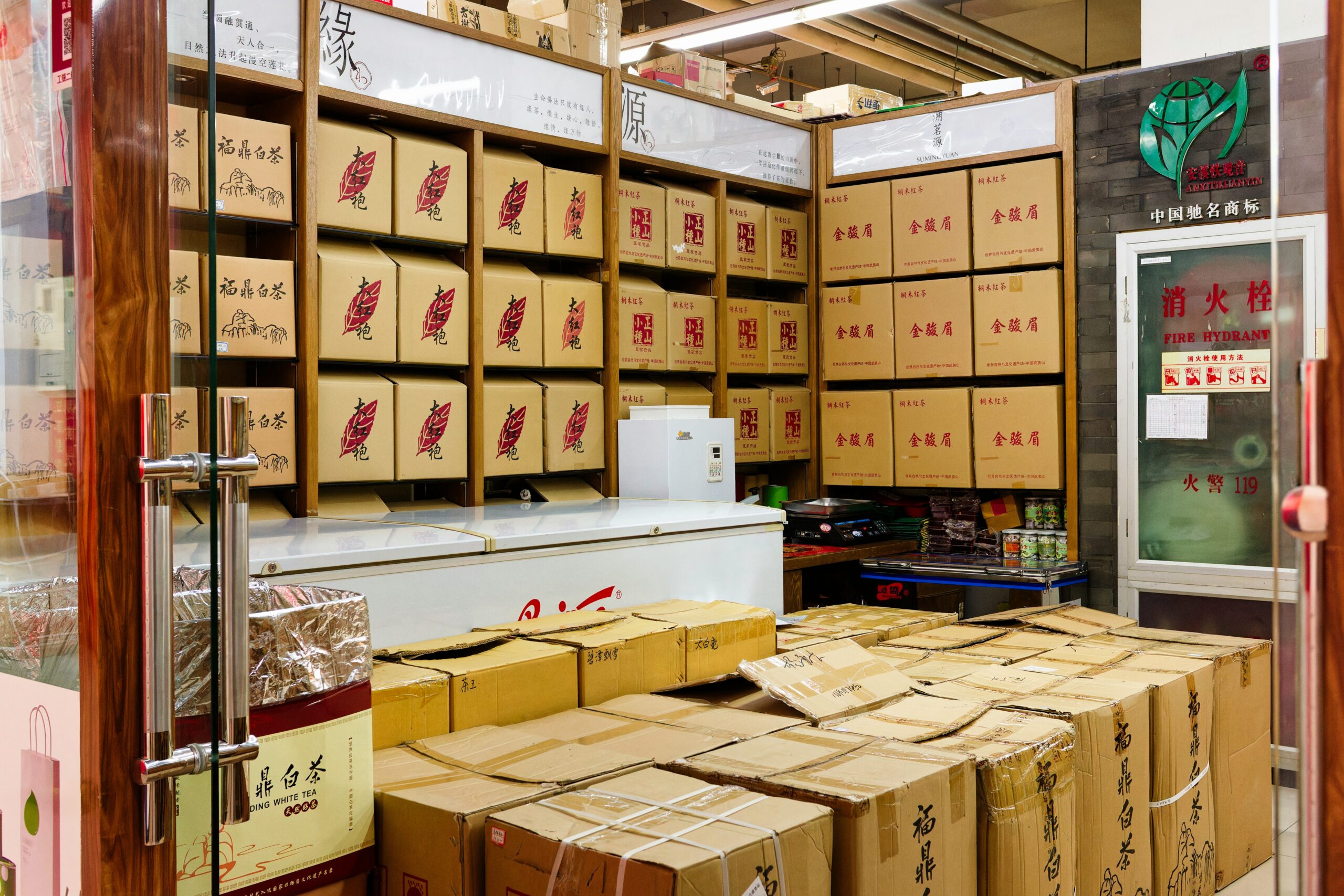
Are your inventory levels costing you money?
Poor inventory management causes businesses to face unnecessary expenses which negatively affect their profitability. U.S. retail operations suffer from inventory accuracy levels that stay near 63% which illustrates the broader difficulties businesses face to keep stock levels optimal.
By solving issues related to overstocking and understocking businesses have the ability to decrease their inventory costs by roughly 10%.
Inside This Guide:
- Understanding Inventory Management Fundamentals
- Key Challenges in Balancing Stock Levels
- Modern Solutions and Best Practices
- Implementation Steps for Better Inventory Control
- Measuring Success and ROI
Understanding Inventory Management Fundamentals
Successful inventory management forms the basis of profitability for businesses. The goal of inventory management is to keep an optimal level of stock that satisfies customer needs while reducing holding expenses and avoiding stock shortages. The careful balance between stock levels impacts both financial health and client satisfaction.
Suboptimal inventory management practices can create serious business risks.
- Excess capital tied up in unused stock
- Storage costs eating into profits
- Lost sales due to stockouts
- Reduced customer satisfaction
- Increased operational complexity
Advancements in digital solutions and analytical methods provide businesses with powerful operational tools. Businesses can optimize their stock levels and predict demand patterns through Netstock inventory forecasting software by analyzing past data and market trends.
Key Challenges in Balancing Stock Levels
Effective inventory management demands businesses address multiple essential challenges.
Demand Forecasting
Accurate demand prediction stands as the most essential difficulty for businesses. Various factors influence demand patterns:
- Seasonal variations
- Market trends
- Economic conditions
- Competitor actions
- Consumer behavior changes
Storage Costs
It costs money to maintain warehouse space and to hold capital in inventory instead of investing it elsewhere. Each stored product signifies capital that remains unutilized and could be otherwise allocated to other business investments.
Stock Obsolescence
This is particularly relevant for:
- Technology products
- Fashion items
- Perishable goods
- Seasonal merchandise
Supply Chain Disruptions
The latest worldwide developments have underscored the critical need for resilient supply chain management. Industry data shows that companies are committing more resources towards sustainability and expect to reduce logistics emissions by 10% to 12% by 2025 through digital transformation initiatives.
Modern Solutions and Best Practices
Technology is revolutionizing inventory management. Because 91% of executives predict AI will revolutionize retail technology within three years, organizations are adopting advanced systems to enhance inventory control management.
AI and Machine Learning
Artificial intelligence enables modern inventory management systems to:
- Analyze historical sales data
- Predict future demand patterns
- Identify seasonal trends
- Optimize reorder points
- Alert managers to potential stockouts
Real-time Tracking
Today’s digital systems allow companies to monitor their inventory movements as they happen in real time.
- Immediate stock level updates
- Accurate location tracking
- Automated reordering
- Enhanced loss prevention
- Better inventory accuracy
Implementation Steps for Better Inventory Control
Successful inventory management implementation needs to follow a structured method. Here’s how to get started:
1. Audit Current Systems
Begin by understanding your current inventory situation:
- Document existing processes
- Identify pain points and inefficiencies
- Assess technology needs
- Review historical data
- Calculate current carrying costs
2. Set Clear Objectives
Develop precise goals for inventory management that you can measure for success.
- Define target stock levels
- Set minimum and maximum thresholds
- Establish KPIs for measurement
- Create timeline for implementation
- Determine budget constraints
3. Choose the Right Tools
Identify technology solutions which meet your specific needs.
- Inventory management software
- Barcode or RFID systems
- Analytics platforms
- Mobile solutions
- Integration capabilities
4. Train Your Team
Achieving success requires both proper training and your team’s full commitment.
- Provide comprehensive training
- Document new procedures
- Establish clear responsibilities
- Create feedback channels
- Monitor adoption progress
Measuring Success and Performance
Your inventory management strategy achieves success when you monitor key metrics and regularly refine your approach according to the data results.
Essential Metrics to Monitor
Track these critical indicators:
- Inventory turnover rate
- Average days to sell inventory
- Carrying costs per unit
- Order fulfillment rate
- Stock-out frequency
- Return on inventory investment
Regular Review Process
Implement a structured review cycle:
- Weekly performance checks
- Monthly trend analysis
- Quarterly strategy adjustments
- Annual comprehensive review
- Continuous improvement planning
Technology Integration Success
Monitor how well your systems are performing:
- Data accuracy rates
- System uptime statistics
- User adoption metrics
- Integration efficiency
- Cost savings achieved
Cost Management Strategies
Maximizing profitability is the core purpose of effective inventory management beyond simple stock tracking. These key strategies help manage costs while keeping inventory levels optimal.
Carrying Cost Optimization
Focus on reducing expenses related to:
- Warehouse space utilization
- Insurance and security costs
- Inventory financing charges
- Handling and maintenance
- Depreciation management
Strategic Sourcing
Develop relationships with suppliers to:
- Negotiate better pricing
- Establish reliable lead times
- Create flexible ordering terms
- Share demand forecasts
- Build contingency plans
Inventory Classification
Implement ABC analysis to prioritize:
- High-value items (A-class)
- Medium-value items (B-class)
- Low-value items (C-class)
This approach directs resources to essential areas while guaranteeing proper management for each inventory category.
Risk Management
Protect your inventory investment by:
- Maintaining appropriate insurance coverage
- Implementing security measures
- Creating disaster recovery plans
- Monitoring market conditions
- Developing contingency strategies
Conducting regular risk assessments enables businesses to discover potential supply chain threats to their inventory so they can address vulnerabilities before these issues affect operations.
Future Trends in Inventory Management
Inventory management transforms as new technologies emerge alongside evolving business requirements. Companies that understand current trends maintain their market competitiveness and operational efficiency.
Automation and Robotics
Advanced automation is transforming warehouses through:
- Automated guided vehicles (AGVs)
- Robotic picking systems
- Automated storage and retrieval
- Smart conveyor systems
- Drone-based inventory counts
Sustainable Practices
Environmental consciousness is driving changes:
- Eco-friendly packaging solutions
- Energy-efficient storage systems
- Waste reduction initiatives
- Sustainable supplier partnerships
- Carbon footprint tracking
Advanced Analytics
Next-generation data analysis capabilities include:
- Predictive analytics for demand
- Machine learning optimization
- Real-time inventory insights
- Automated decision-making
- Performance forecasting
Cloud-Based Solutions
The latest inventory systems transition to cloud platforms to provide multiple benefits.
- Remote accessibility
- Automatic updates
- Scalable storage
- Enhanced security
- Better collaboration
The latest technological and methodological developments have led to unprecedented precision and efficiency in inventory management.
Common Inventory Management Mistakes to Avoid
Despite having sophisticated systems and detailed planning businesses still experience common inventory management errors. Here’s how to recognize and avoid them:
Poor Forecasting Methods
Many businesses struggle with:
- Relying solely on gut feelings
- Ignoring seasonal variations
- Not accounting for market changes
- Failing to use historical data
- Overlooking competitor impacts
Inadequate Staff Training
Common training oversights include:
- Rushed implementation processes
- Lack of ongoing education
- Insufficient system documentation
- Poor communication channels
- Limited cross-training opportunities
Manual Process Dependence
Organisations often waste resources by:
- Maintaining paper-based systems
- Double-entering data
- Using outdated spreadsheets
- Failing to automate routine tasks
- Relying on manual counts
Incomplete Data Usage
Many companies miss opportunities by:
- Not tracking key metrics
- Ignoring customer feedback
- Failing to analyze returns
- Overlooking supplier data
- Not using real-time information
Smart Steps to Success
To develop a successful inventory management system businesses should establish thoughtful strategies and maintain steady implementation. Here are proven strategies to ensure success:
Start Small and Scale
Begin your optimization journey by:
- Focusing on high-value items first
- Testing new processes in phases
- Documenting successful approaches
- Building on working systems
- Expanding gradually
Leverage Technology Wisely
Make the most of your tech investment:
- Choose scalable solutions
- Ensure proper integration
- Train staff thoroughly
- Monitor system performance
- Update regularly
Build Strong Partnerships
Develop relationships with:
- Key suppliers
- Technology providers
- Industry experts
- Logistics partners
- Customer service teams
Maintain Continuous Improvement
Keep your system evolving through:
- Regular performance reviews
- Staff feedback sessions
- Process refinements
- Technology updates
- Market adaptation
Knowledge Check: Key Takeaways
These critical points must be followed to achieve success in inventory management.
- Business success relies fundamentally on precise tracking and forecasting systems.
- Technology investment pays off through increased efficiency
- Continuous system training and updates ensure smooth operation.
- Strong partnerships improve supply chain reliability
- Continuous improvement drives long-term success
Moving Forward: Your Next Steps
Business success depends on effective inventory management in today’s highly competitive market environment. Your inventory control will improve substantially while your profitability grows if you adopt the strategies from this guide and keep up with the latest trends.
Remember that optimization is an ongoing process. Begin with fundamental principles and construct a solid foundation before continuously updating your methods. Focus on:
- Understanding your current situation
- Setting clear goals and metrics
- Implementing appropriate technology
- Training your team effectively
- Monitoring and adjusting regularly
A proper approach and suitable tools enable your inventory management to become a competitive advantage instead of an obstacle.