
Office heating used to be a background decision. Install a central system, set a schedule, forget about it. It worked, more or less, when everyone sat at the same desks from nine to five. That’s not how most workplaces run anymore. Flexible hours, hybrid teams, unused meeting rooms, overheated corners, freezing open-plan zones. One system trying to satisfy all of that rarely gets it right. This is where electric radiator heating starts to feel less like an alternative and more like a practical upgrade. Not because it’s new. Because it fits how offices actually function now.
Heating space that’s actually in use
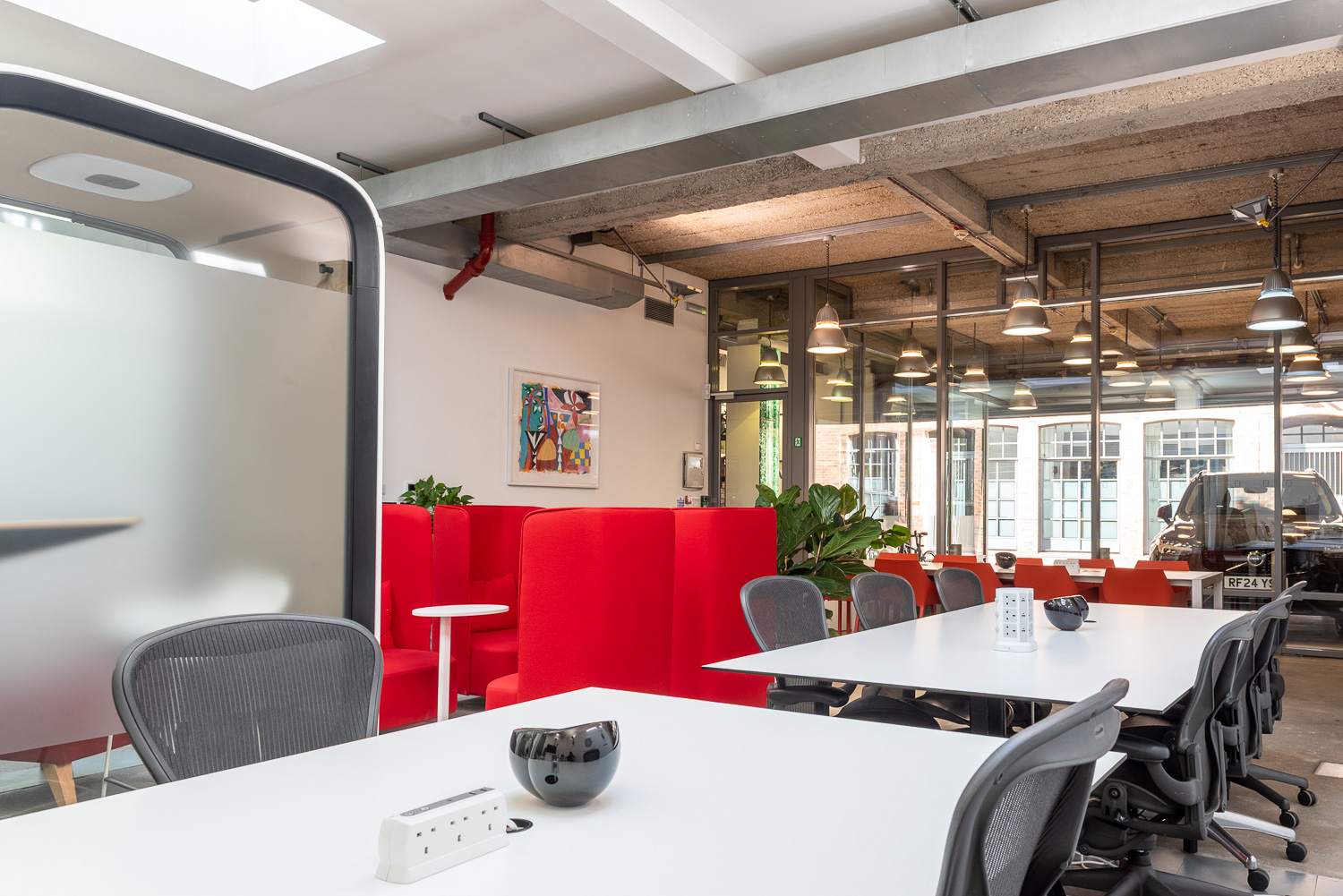
Walk through most offices on any given day and the pattern is obvious. A few desks occupied, a meeting room booked for an hour, another left empty all day. Central heating doesn’t care. It treats everything the same.
Electric radiators change that completely. Each unit works independently. That means a workspace can stay comfortable while unused areas stay at a lower temperature. No need to heat an entire floor just to keep a small team warm. It’s a small shift in logic, but it cuts waste immediately.
No pipework, no disruption
Anyone who’s dealt with installing or modifying wet heating systems in a commercial space knows the reality. Pipes, access points, downtime, disruption to staff. It’s never as simple as it sounds on paper.
Electric systems remove most of that complexity.
No pipework running through walls. No dependence on a central boiler. Installation is straightforward, often done without major structural changes. That matters in rented offices, co-working spaces, or buildings where altering infrastructure isn’t practical. It also means fewer points of failure. No leaks, no pressure issues, no system-wide shutdowns because one component failed.
Cost control that actually works
Heating costs in business environments aren’t just about tariffs. They’re about how efficiently energy is used. With electric radiators, control becomes granular. Different schedules for different rooms. Lower temperatures outside working hours. Quick adjustments when occupancy changes.
A meeting room doesn’t need to be heated all day for a one-hour booking. A workspace doesn’t need full heating over the weekend. Those small decisions add up. And because there’s no central system cycling on and off for the entire building, energy use becomes more predictable. Less background consumption, more direct use.
Less maintenance, fewer surprises
Traditional systems come with ongoing responsibilities. Boiler servicing, pressure checks, occasional leaks, parts wearing out in ways that affect the whole system.
Electric radiators are simpler. No annual boiler service. No pipe maintenance. If one unit has an issue, it affects one room, not the entire office. That kind of isolation reduces both risk and downtime. For businesses, that matters. Heating problems aren’t just inconvenient, they interrupt work.
A quieter, cleaner setup
There’s also the day-to-day experience.
No pipes expanding and contracting. No sudden system-wide kicks when the heating turns on. Just steady, local heat where it’s needed. From a sustainability perspective, the shift is also practical. Electric systems produce no on-site emissions. Pair them with a greener power supply, and the environmental effect drops similarly with out converting the hardware. It’s not about chasing labels. It’s about reducing unnecessary consumption and simplifying the system.
Adapting to modern work patterns
Offices aren’t static anymore. Teams move. Layouts change. Spaces get repurposed.
Electric radiators keep up with that.
Need to reconfigure a workspace? Heating can be adjusted without redesigning an entire system. Expanding into a new area? Add units where needed, no need to extend pipework.
That flexibility is hard to match with traditional setups.
The bottom line
Electric radiator heating fits the way businesses operate today. Flexible, controlled, and relatively low-maintenance. It avoids the complexity of older systems, reduces wasted energy, and gives direct control over where and when heat is used.
For offices trying to balance comfort, cost, and practicality, that’s usually enough to make the decision clear.
Photo credit: Coworking London