
Designing Better Shared Washrooms for High-Traffic Flexible Offices
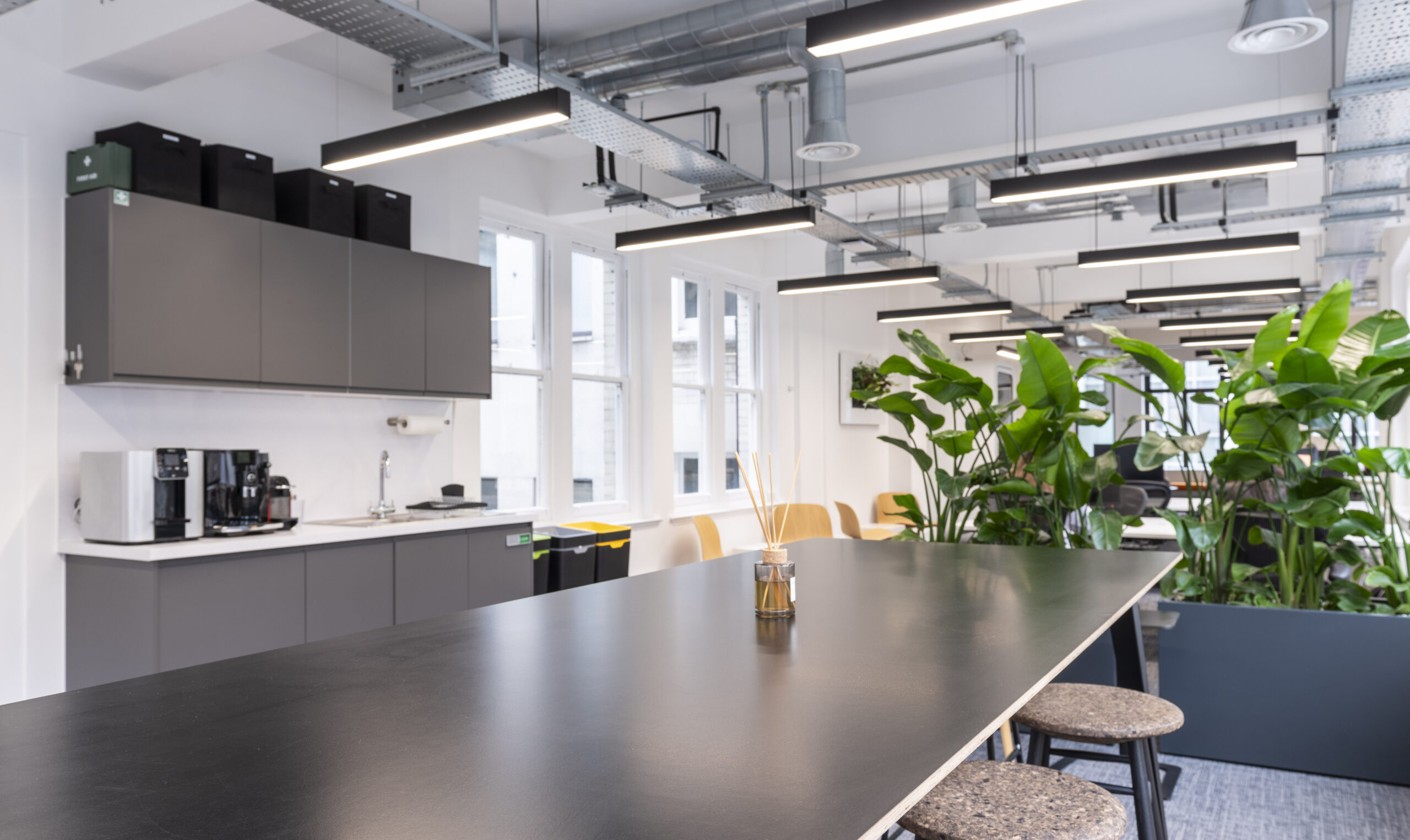
Flexible offices are designed around convenience. Freelancers may stop in for a few hours between meetings, startups may use the same space every day, and remote professionals may rely on coworking environments as an alternative to working from home. With so many people moving through the same building, even practical spaces such as washrooms can influence the overall workplace experience.
A thoughtfully designed washroom should feel clean, comfortable, and easy to use throughout the day. In a high-traffic flexible office, achieving that experience requires balancing appearance with durability, hygiene, accessibility, and efficient maintenance.
Choose Materials That Can Handle Frequent Use
Washroom finishes in a shared workspace need to withstand considerably more use than those in a small private office. Materials should therefore be selected with long-term performance in mind.
Commercial-grade surfaces can help washrooms maintain a professional appearance even under heavy daily use. Flooring, countertops, cubicles, and wall finishes should also be easy to clean without requiring specialized maintenance. Choosing durable materials from the start can reduce the likelihood of premature repairs while helping the space continue to look well maintained.
Minimize Contact with Touch-Free Fixtures
In a busy shared office, many people may use the same fixtures throughout the day. Touch-free technology can make the experience more convenient while reducing the number of shared surfaces users need to handle.
Sensor-operated taps, soap dispensers, toilets, and hand dryers can support a more hygienic environment and help streamline everyday use. These fixtures may also help reduce water waste and mess when they are properly specified for commercial settings.
When selecting touch-free fixtures, facilities teams may also compare options such as a hand dryer for sale that is designed for frequent commercial use.
Reliability should remain a priority. Touch-free products need to work consistently and be easy for maintenance teams to inspect, refill, and repair. A poorly functioning sensor or empty dispenser can quickly undermine the convenience the system is intended to provide.
Design for Accessibility and Comfort
Flexible workspaces serve a broad range of people, so washrooms should be designed to accommodate different physical abilities and mobility needs. Accessibility is most effective when it is considered as part of the overall layout rather than treated as an afterthought.
Users need enough room to enter, move through, and use the space comfortably. The placement and height of basins, mirrors, controls, and support features can all affect usability. Adequate circulation also becomes especially important during busy periods, when several people may enter the washroom between meetings or during breaks.
A comfortable layout can help prevent crowding and make the space easier to navigate for everyone, not just users who require specific accessibility features.
Make Cleaning and Maintenance Easier
A washroom that is easy to maintain is more likely to remain clean and functional throughout the day. Design decisions should therefore account for how facilities teams will access frequently serviced components.
Smooth finishes and simple layouts can reduce the number of difficult-to-clean areas, while accessible service points can make inspections and repairs less disruptive. Concealed plumbing can create a cleaner visual appearance, but it should still allow maintenance teams to reach important components when necessary.
High-traffic offices may also benefit from more frequent inspections rather than relying only on end-of-day cleaning. Small issues such as leaks, worn finishes, empty dispensers, or lingering odors can have an outsized effect on how people perceive the overall quality of the workspace.
Create a Better Flexible Office Experience
People choosing coworking and flexible offices are evaluating more than desk space and Wi-Fi. They are spending part of their working day in the building, so shared amenities contribute to how comfortable and professional the environment feels.
Well-designed washrooms support that experience without demanding attention. Durable finishes can stand up to frequent use, touch-free fixtures can improve hygiene and convenience, and accessible layouts can make the space more welcoming to a broader range of users. Maintenance-friendly design also helps facilities teams keep the washroom clean, functional, and presentable with less disruption.
For freelancers, growing startups, and remote professionals, these details can help turn a functional shared office into a workspace that feels genuinely considered.
AUTHOR BIO: Stephen Whittall is the Chief Operating Officer of The Airdri Group, the parent company of Airdri, a manufacturer of energy-efficient hand dryers. With extensive experience in operations management across the electrical and electronic manufacturing sector, he oversees global operations to ensure efficiency, sustainability, and continued innovation. Whittall focuses on driving performance and maintaining high standards of customer service across the group’s portfolio of businesses.