
London has always been a city of reinvention. From the coffee houses of the 17th century to the tech hubs of the 21st, the capital’s small business landscape thrives on its adaptability. The capital is witnessing a profound shift in how the city’s entrepreneurs and small teams operate.
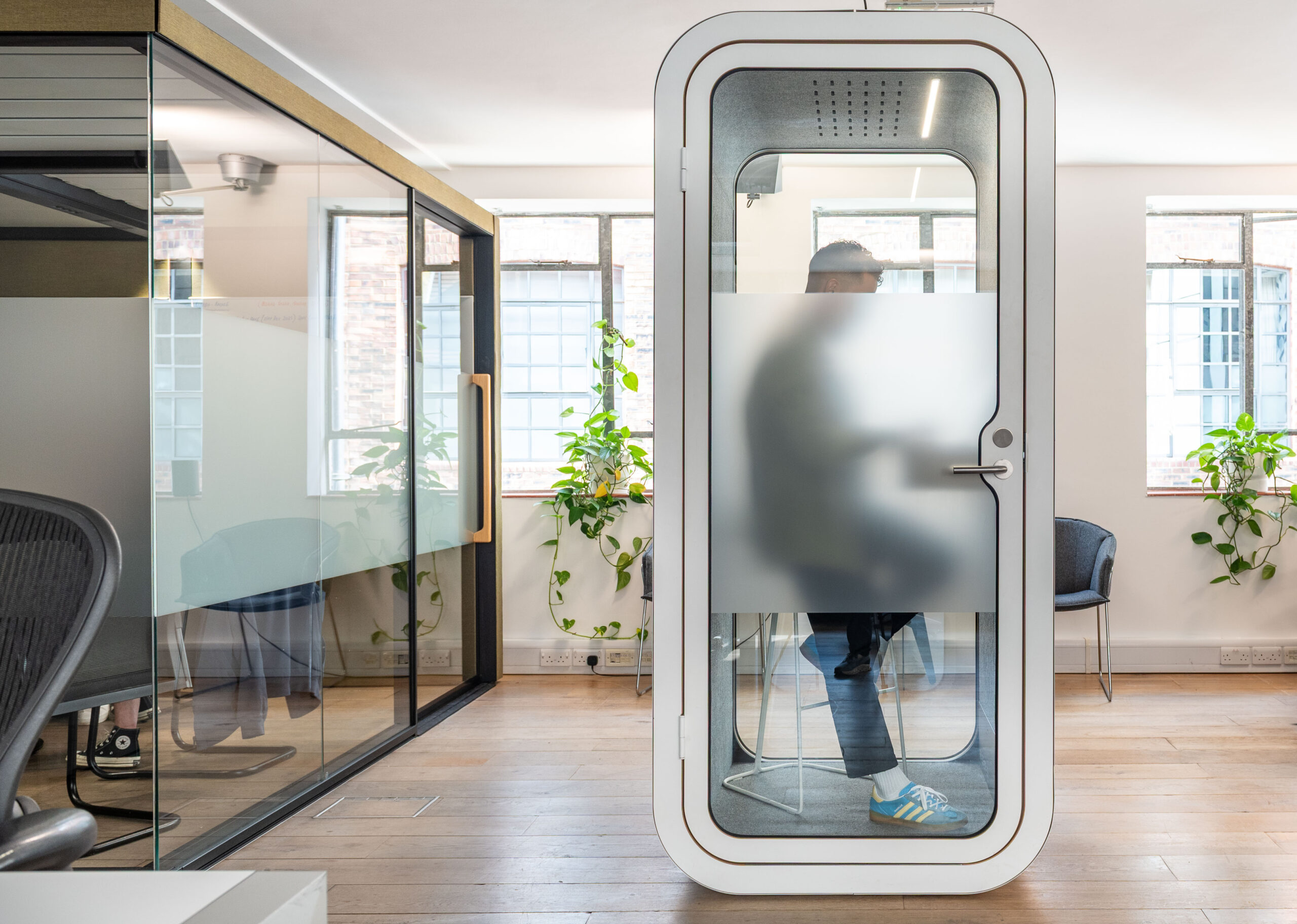
The rigid nine-to-five at a fixed desk is increasingly seen as a relic, and in its place is a more fluid, intentional culture that prioritises agility and the human experience of work.
Shifting Priorities in the Modern Workplace
Small businesses are no longer trying to replicate the traditional corporate model. Instead, they’re leading the charge in rethinking traditional office hours and locations. Influenced by a post-pandemic recalibration of work-life balance, employee expectations now centre on flexibility.
Technology has been the great equaliser here. Cloud-based collaboration tools and agentic AI assistants have untethered teams from their desks, enabling London’s SMEs to operate with a distributed workforce while maintaining high productivity. The focus has shifted from where people are to what they achieve, fostering a culture of trust essential to retaining top-tier talent in a competitive city.
At the same time, business owners are increasingly recognising that flexibility is not just an employee perk but a strategic advantage. Organisations that embrace adaptable working patterns often report improved morale, faster decision-making, and a greater ability to navigate sudden market shifts, which is a crucial benefit in London’s constantly evolving economic environment.
The Rise of Co-Working and Community Spaces
For many London start-ups, the traditional isolated office can feel stagnant. It’s led to the immense popularity of co-working and community-led spaces. These hubs offer more than just a desk and high-speed Wi-Fi; they provide a built-in network.
The benefits of networking and shared resources are transformative for a growing firm. In these environments, a chance conversation in a communal kitchen can lead to a new partnership or a vital piece of advice from a peer in a different industry. Many co-working providers are also expanding their offerings with wellness rooms, member events, and sector-specific clusters that help businesses plug into the right ecosystems. For start-ups seeking visibility, these environments often act as springboards, offering mentorship opportunities and introductions that would be difficult to access in a traditional private office.
Office Space Options for a New Era
Today’s business owners have a spectrum of workspace solutions at their fingertips. While traditional leases still hold appeal for some, many are opting for co-working memberships or more structured managed environments.
A creative tech firm might find that a serviced office in Old Street provides the perfect balance of a dedicated, professional front with the scalability of a flexible contract. Conversely, a consultancy might prefer a central hub in the City for client meetings while its team works most of the week remotely. Decisions are increasingly driven by the quality of amenities and the ability to scale space up or down at short notice, critical factors for firms navigating the current economic climate.
Navigating Challenges and Embracing Opportunities
Adapting to these cultural shifts is not without its hurdles. Maintaining team cohesion in a hybrid world requires deliberate effort, and the cost of prime London real estate remains a constant pressure. To stay agile, small businesses should use office days for high-impact collaborative work and social bonding rather than routine tasks.
They should also invest in technology to ensure every team member has the hardware and software to work seamlessly from anywhere. Staying flexible is just as important. SMEs should review their workspace needs quarterly to ensure their setup still aligns with their headcount and strategy.
Photo credits: Coworking London